
Context
The keyboard is one of the most present interfaces in everyday life. Designing for Gboard means acknowledging the real diversity of its users: different cultural identities, varying visual abilities, and multiple ways of interacting.
The challenge
To articulate cultural expression, accessibility, and voice interaction within a single system while maintaining structural coherence, functional clarity, and consistency with GM3.
The approach
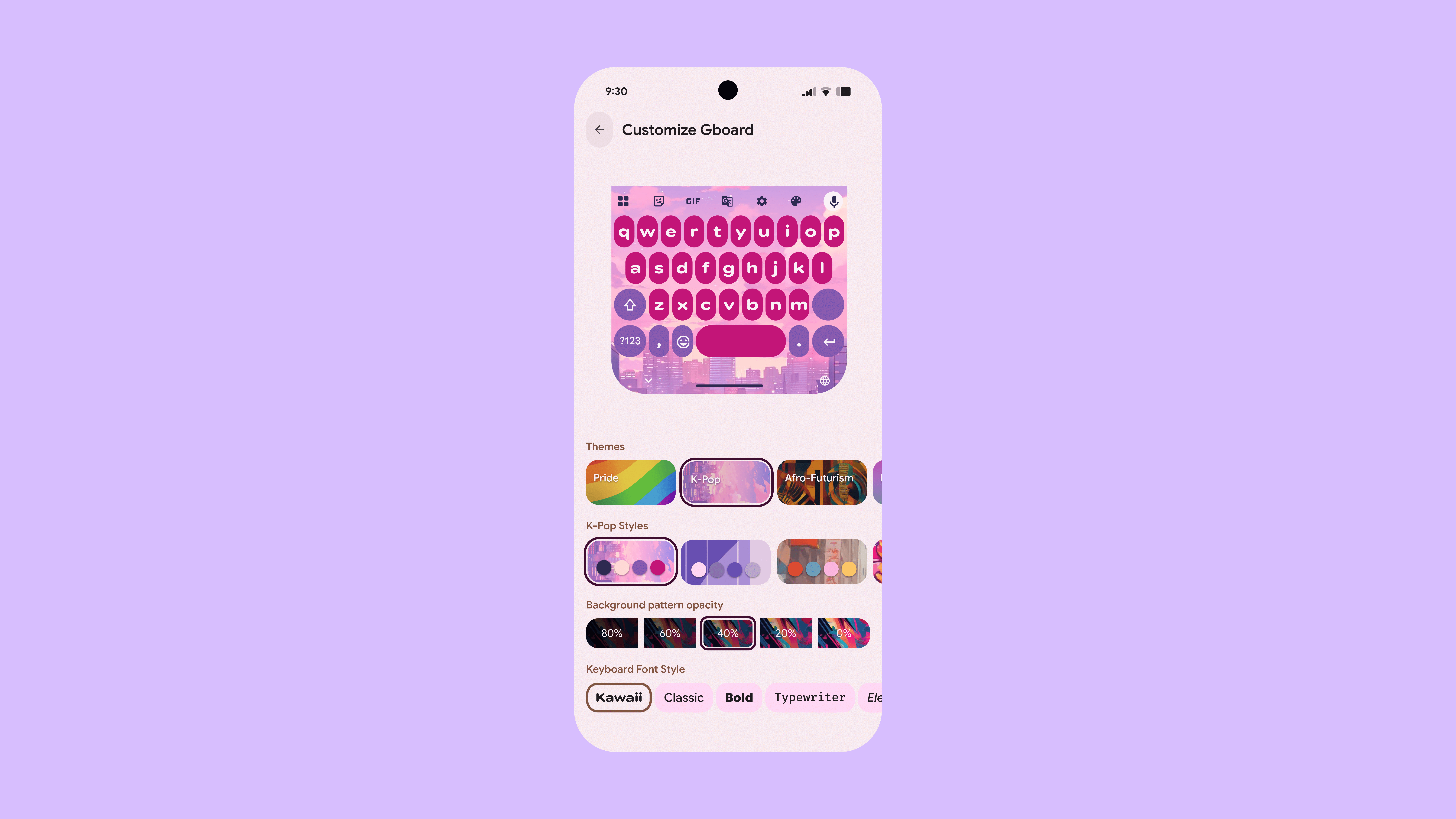
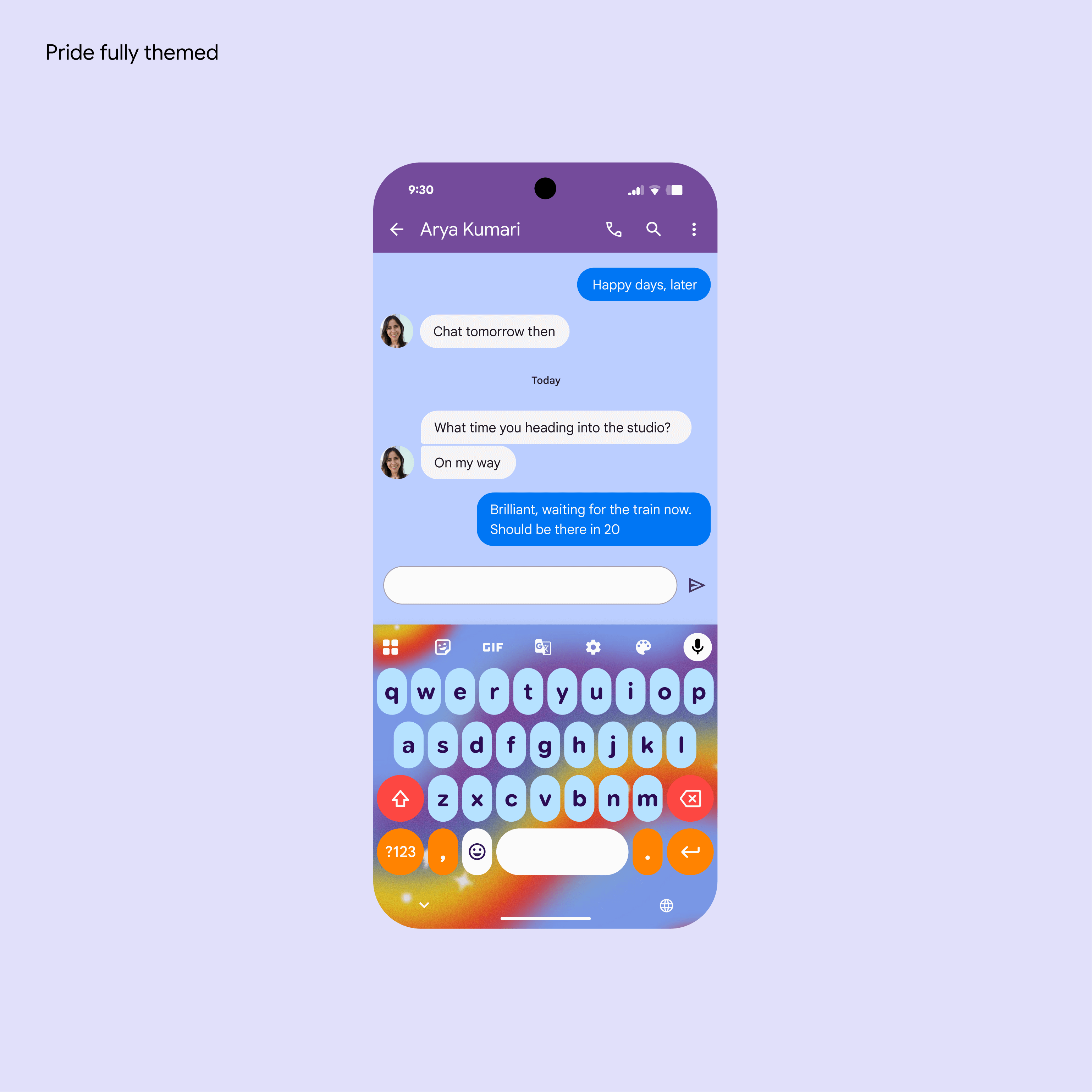
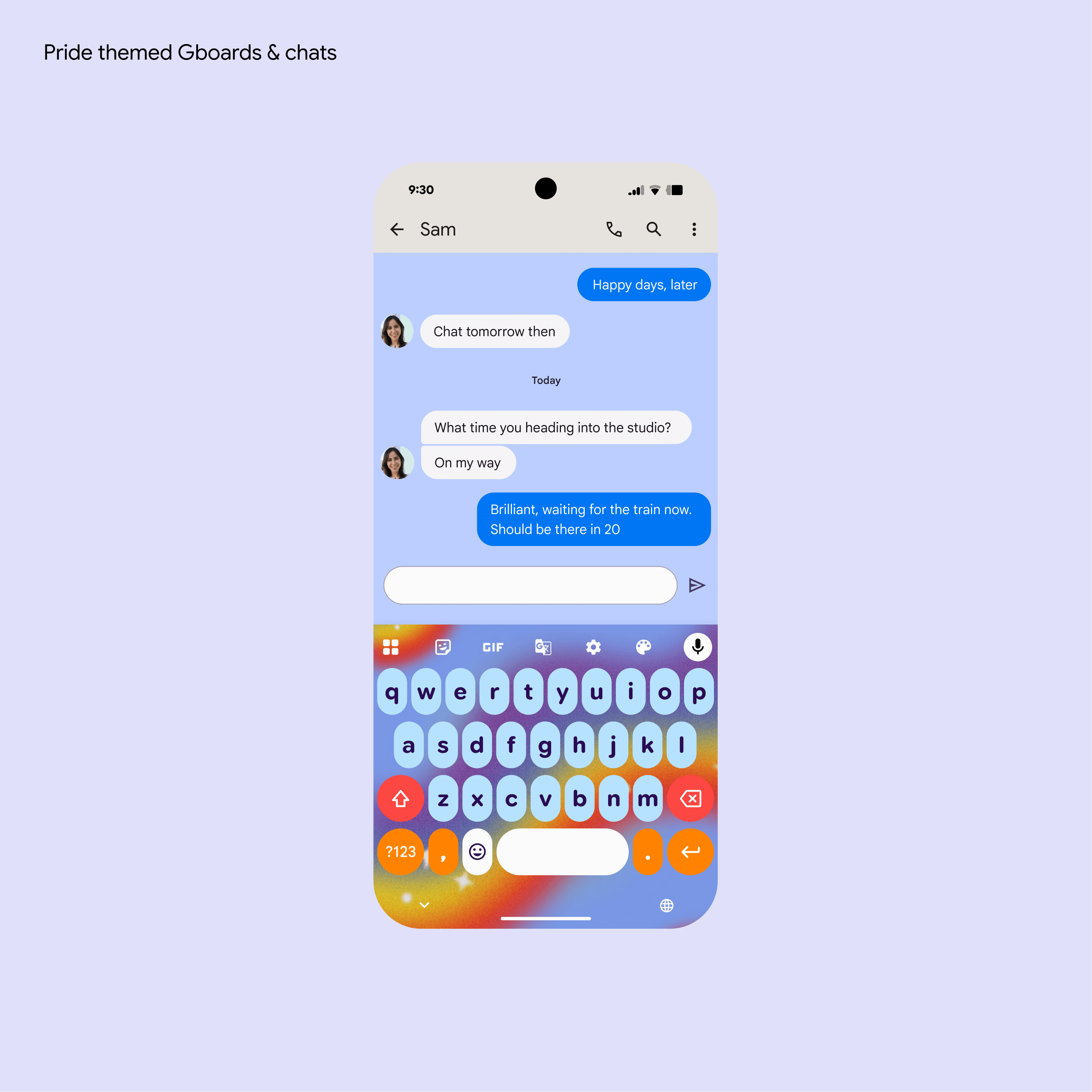
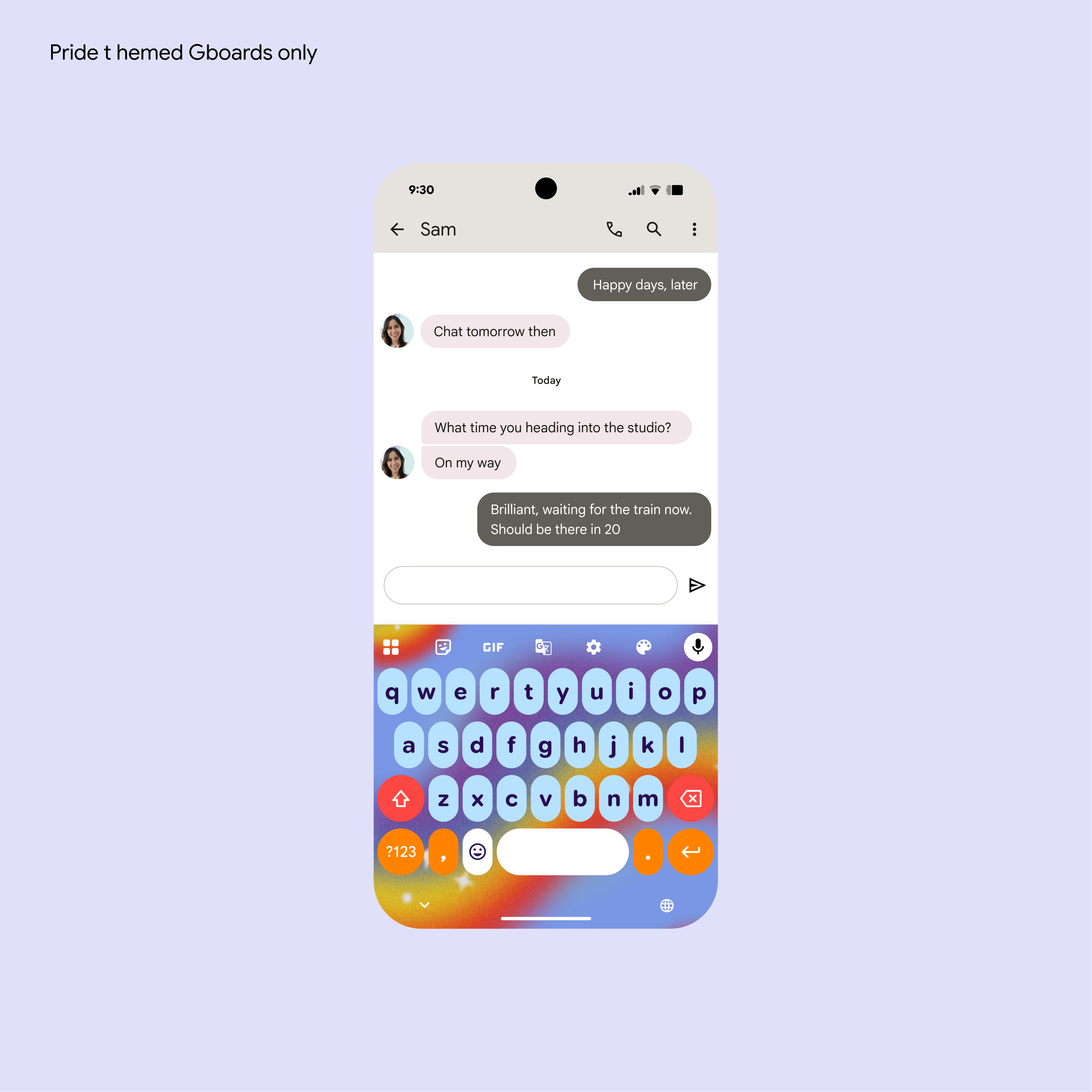
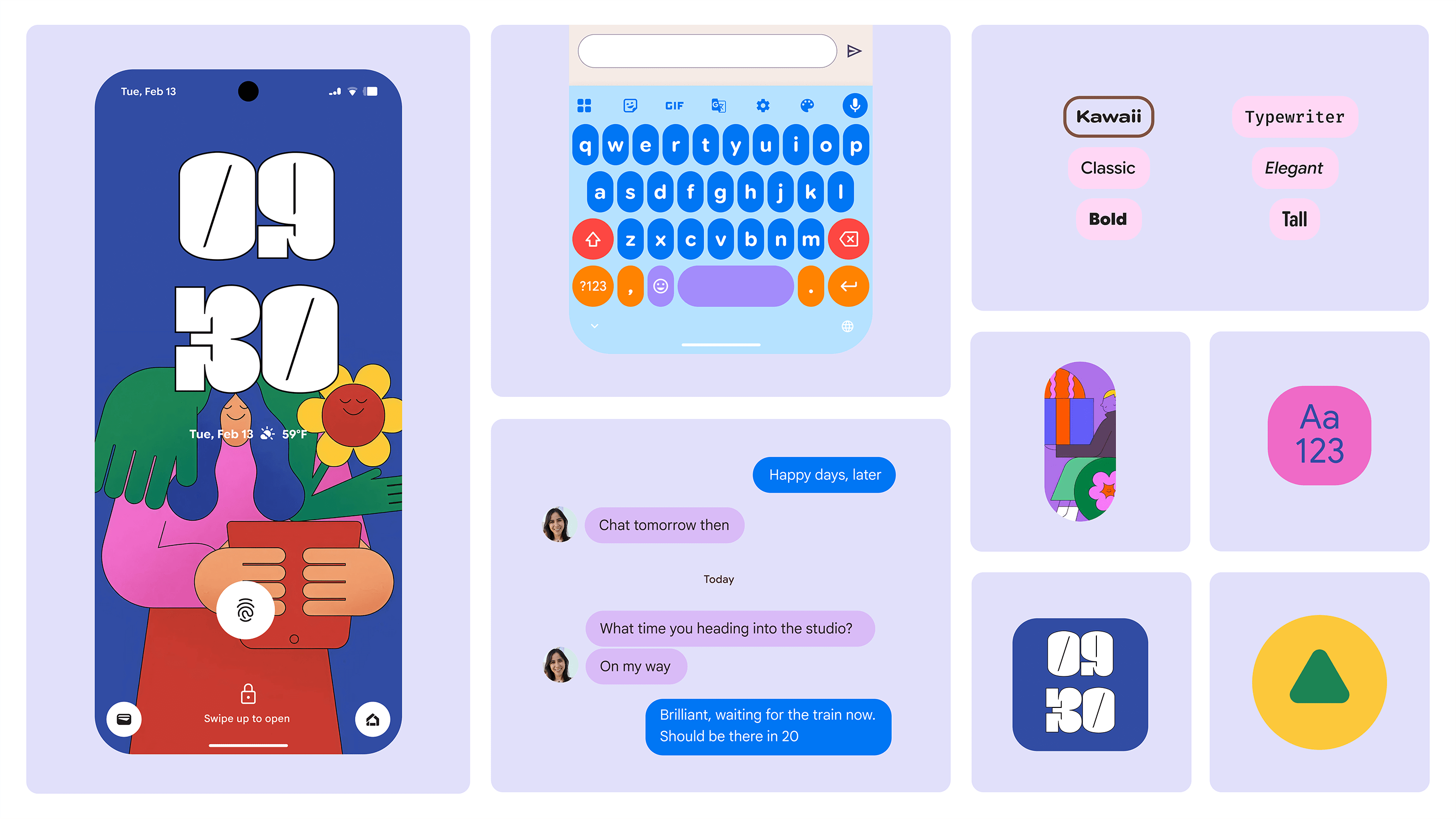
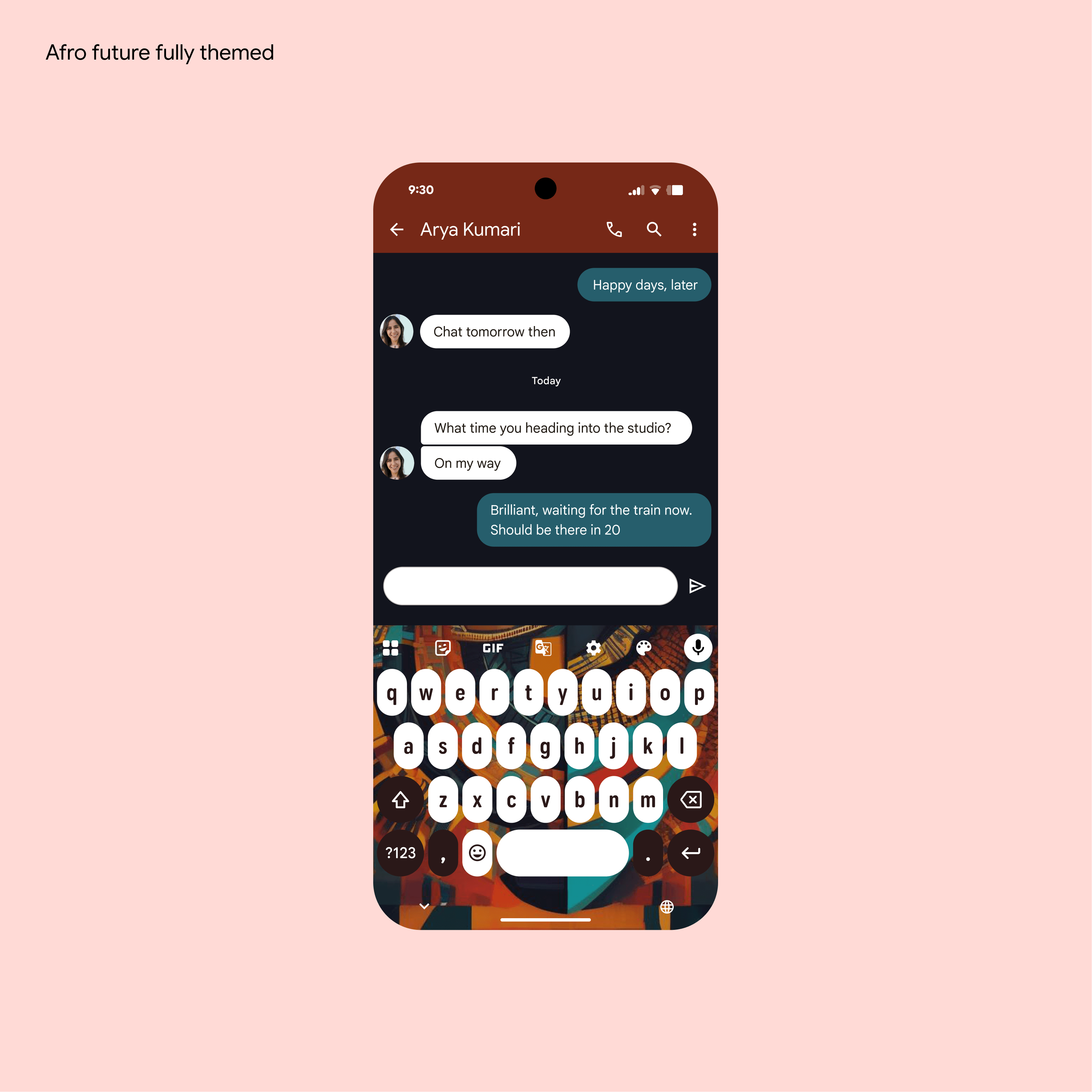
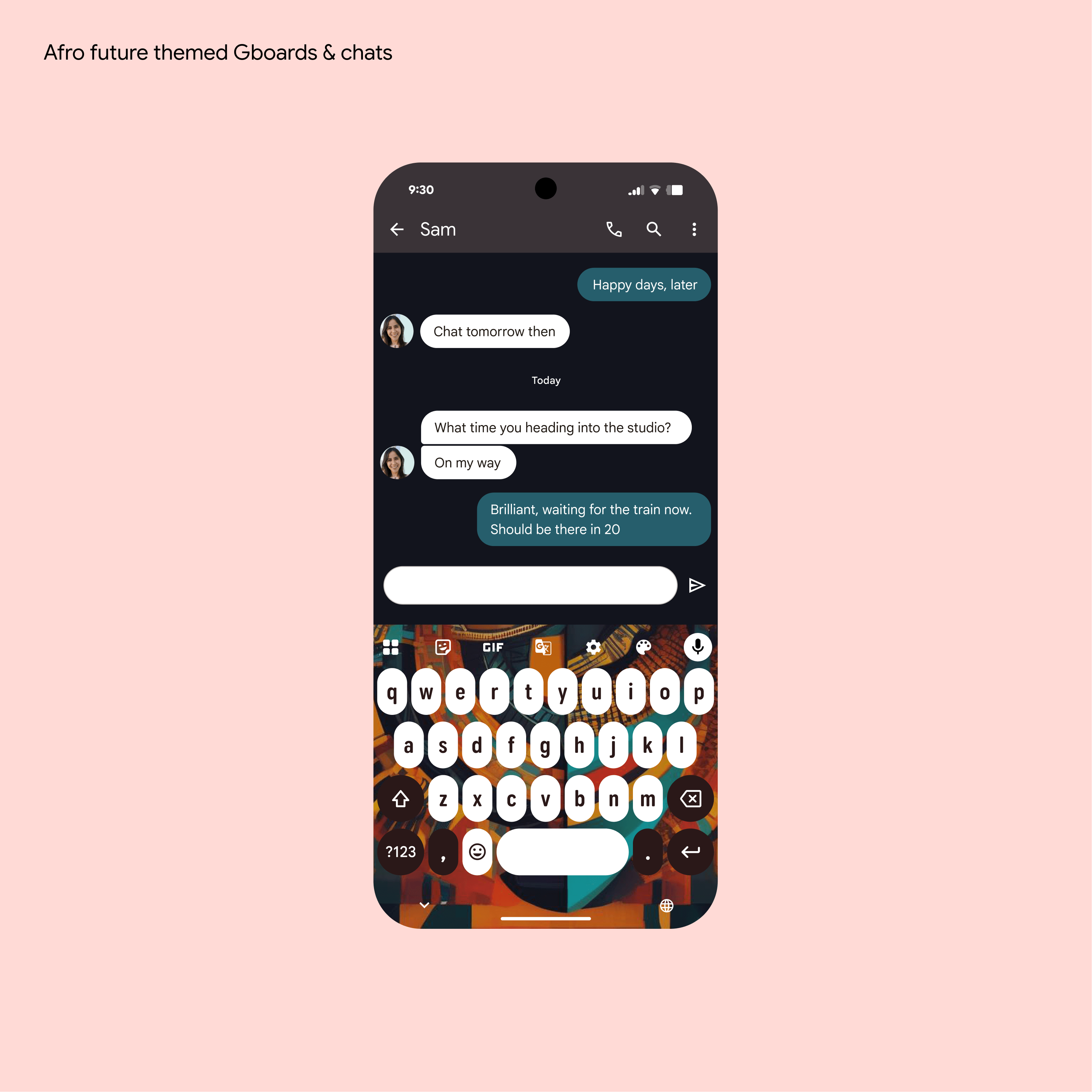
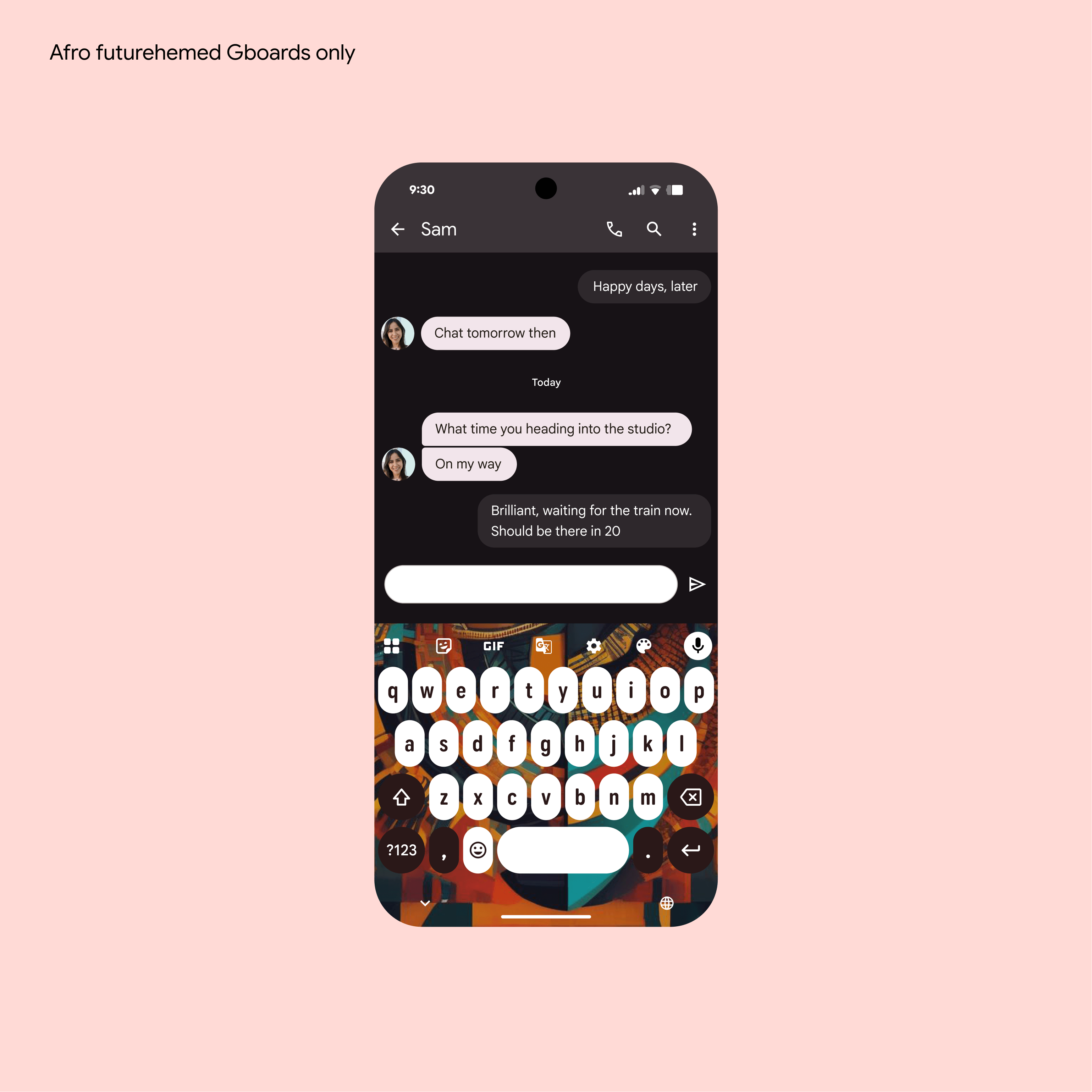
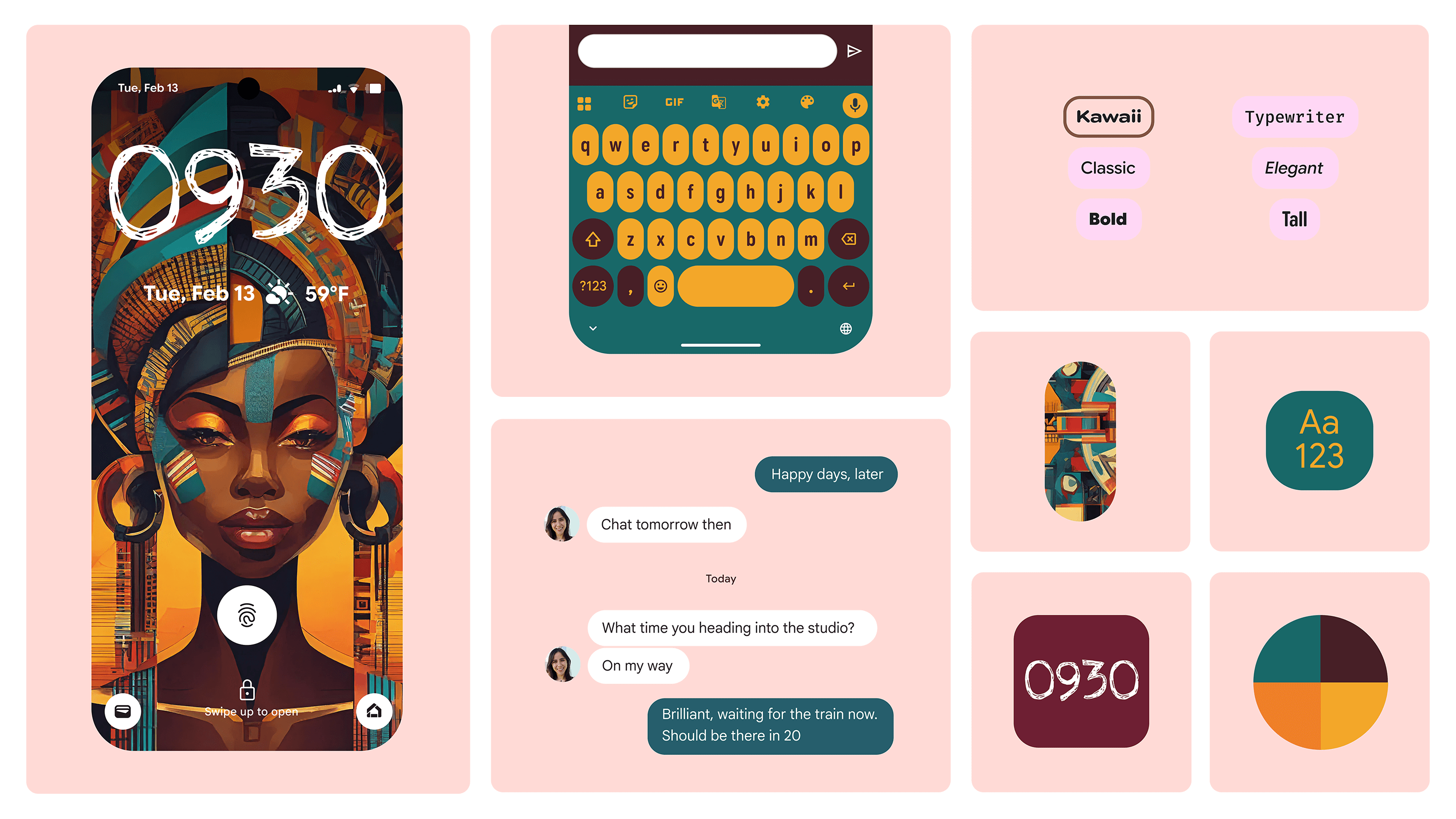
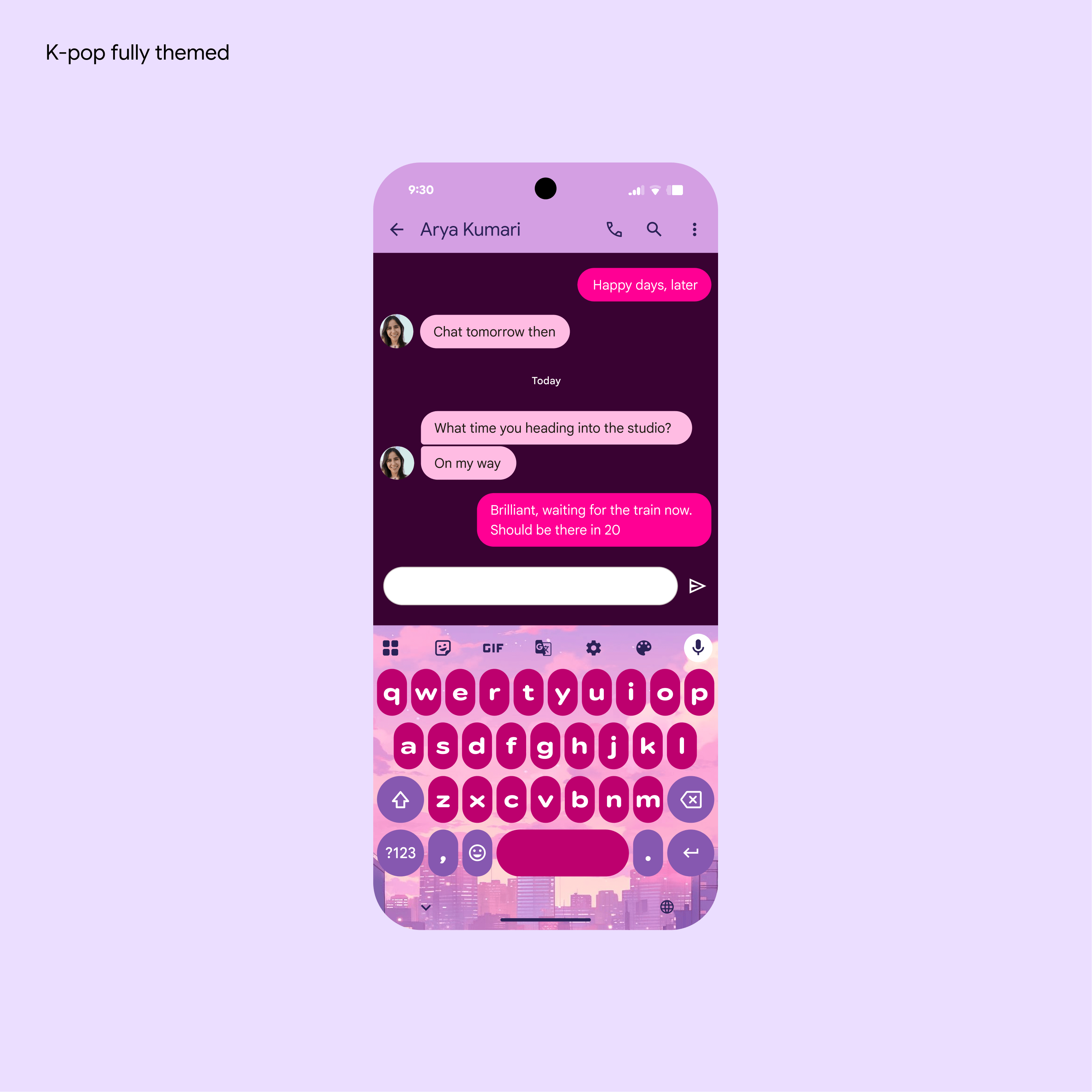
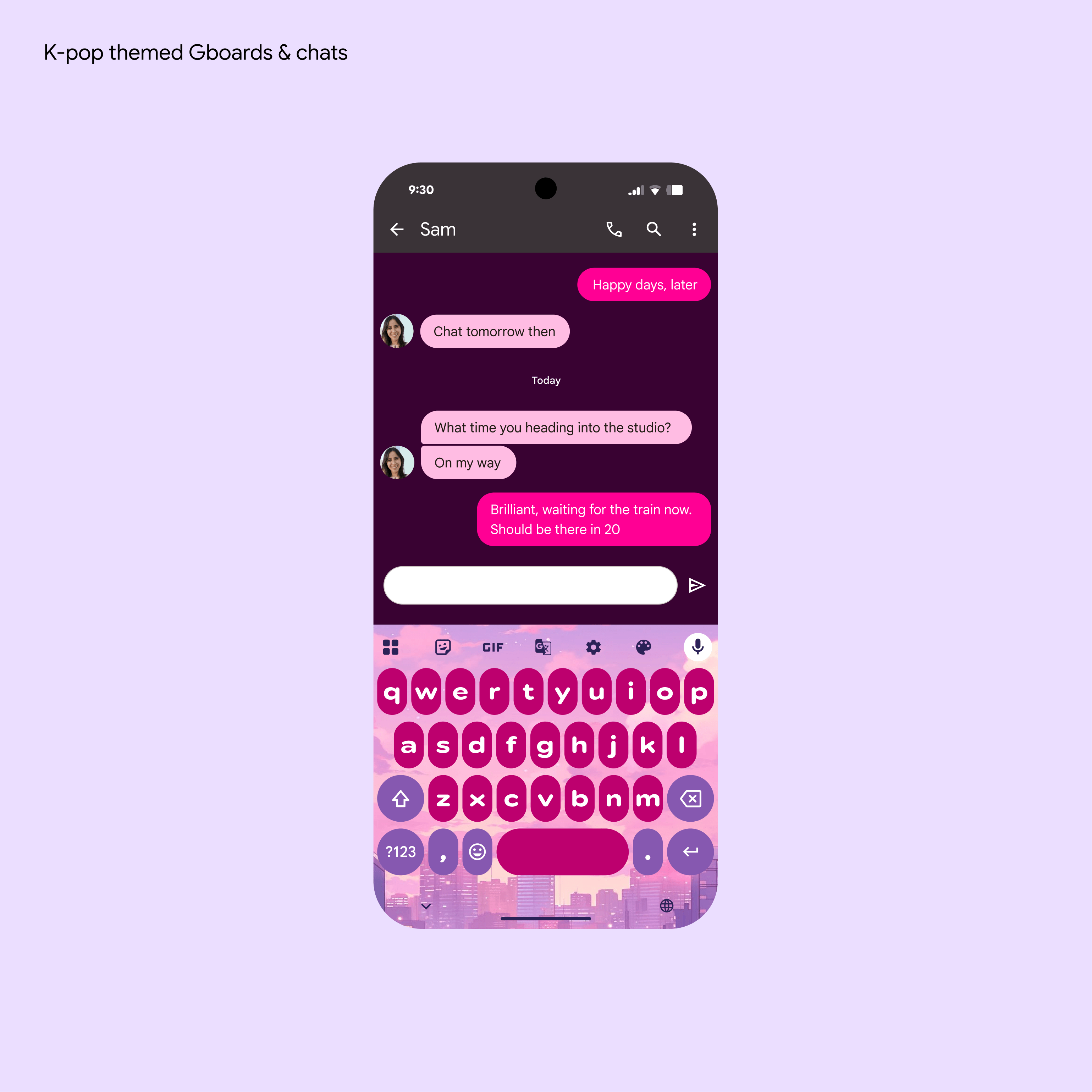
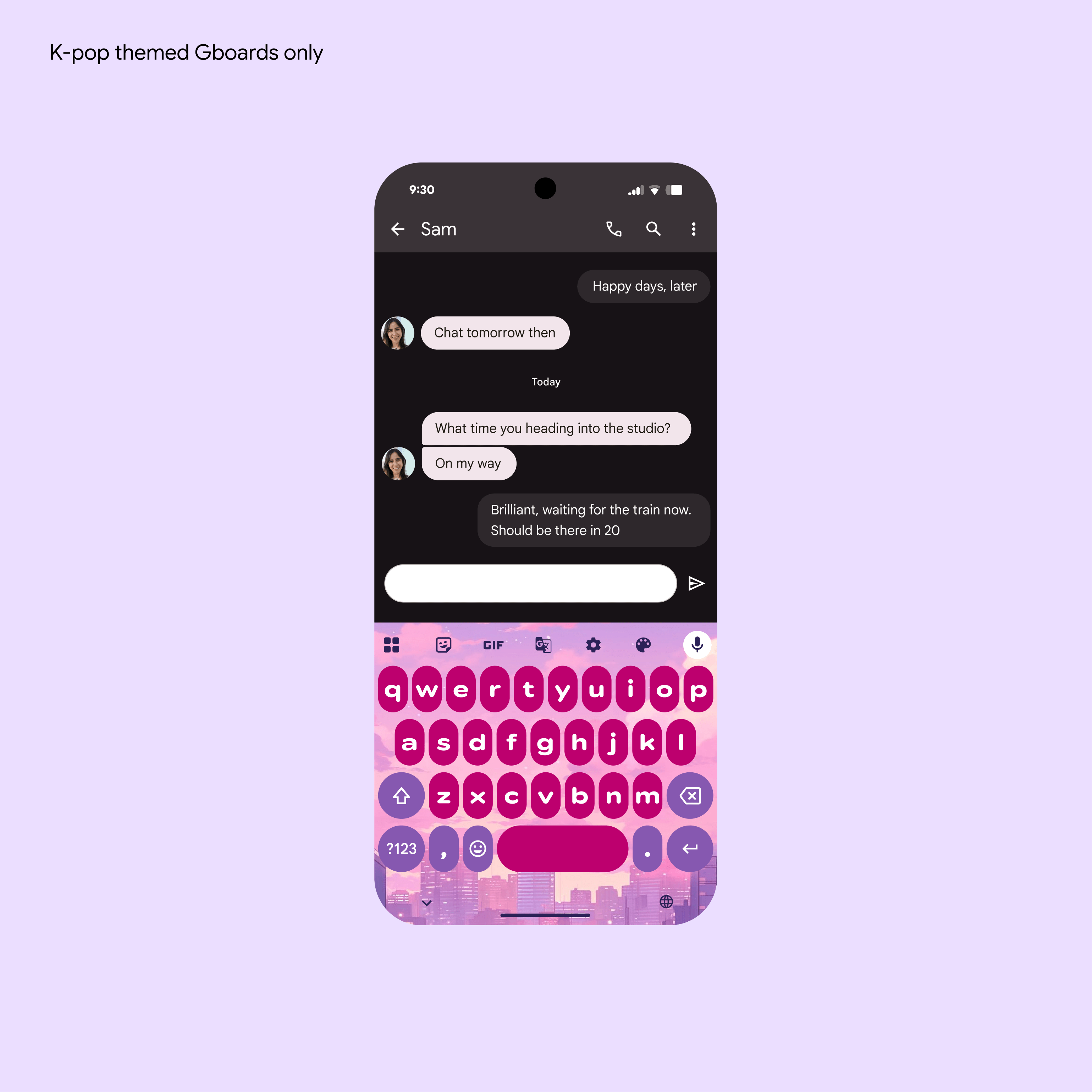
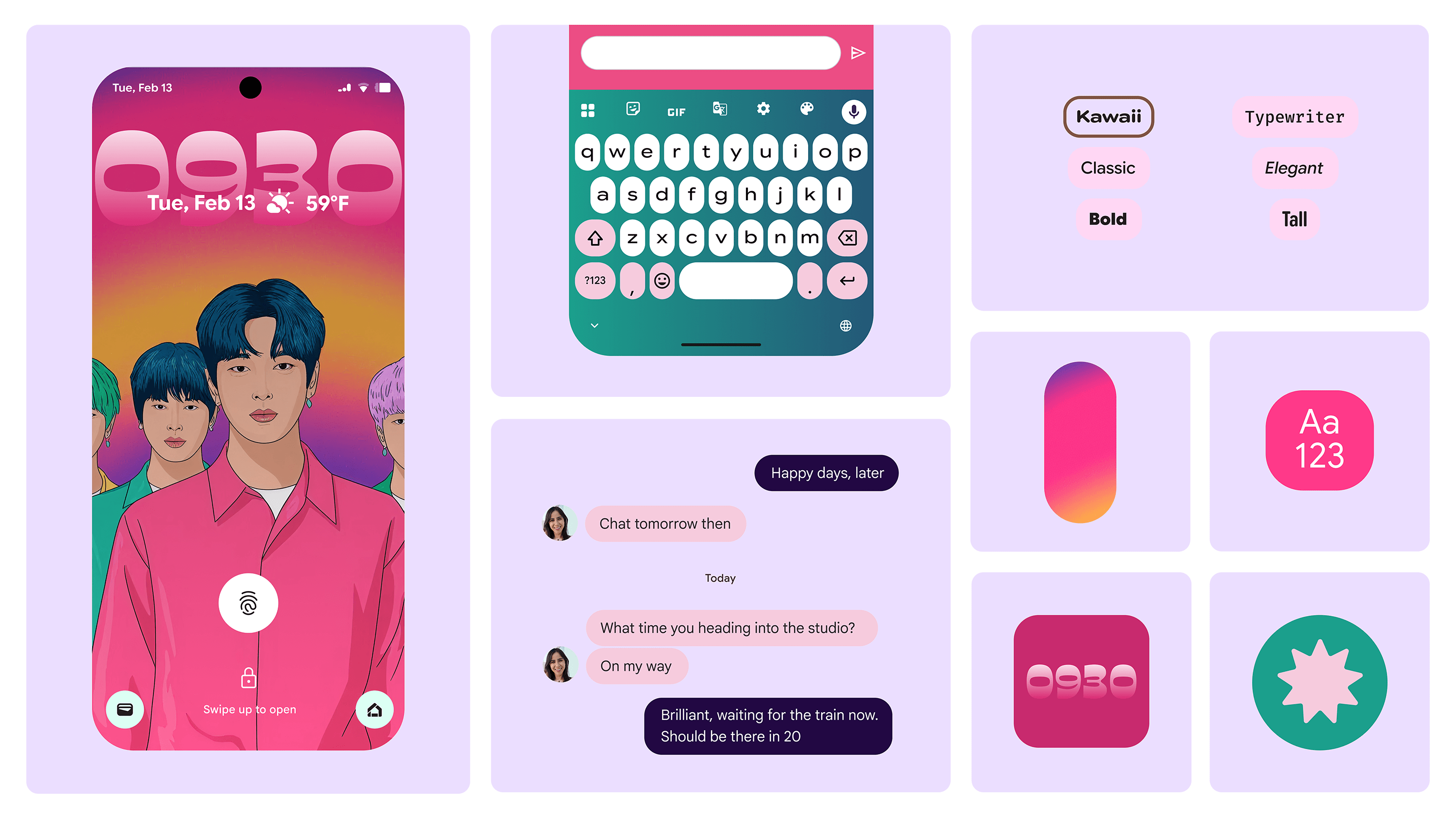
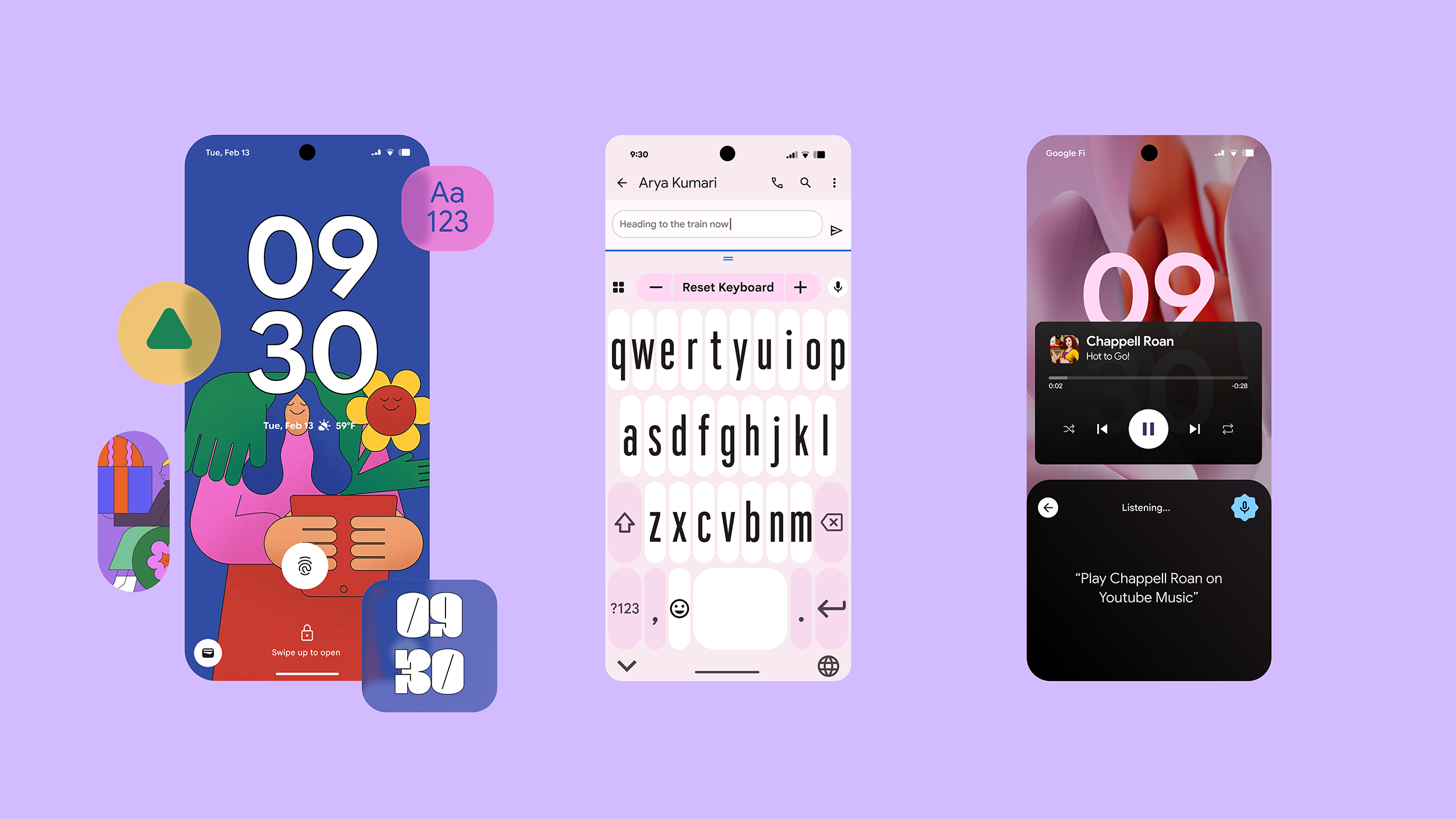
The exploration began by expanding cultural representation through thematic systems that activate distinct visual universes—such as Pride, Afro-futurism, and K-pop—built on shared rules of color, form, and typography. Each expression maintains its identity while integrating seamlessly into the product architecture.
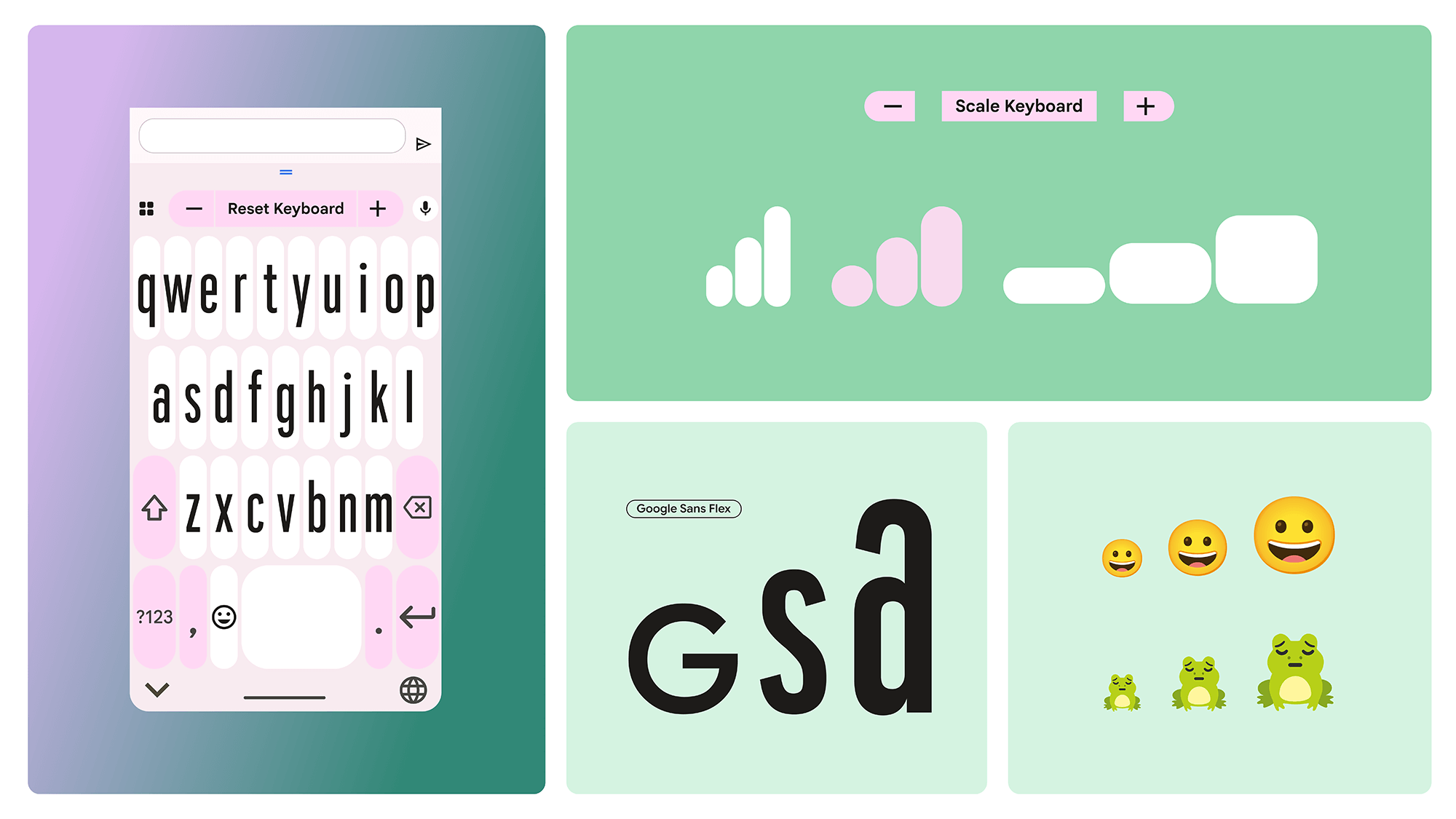

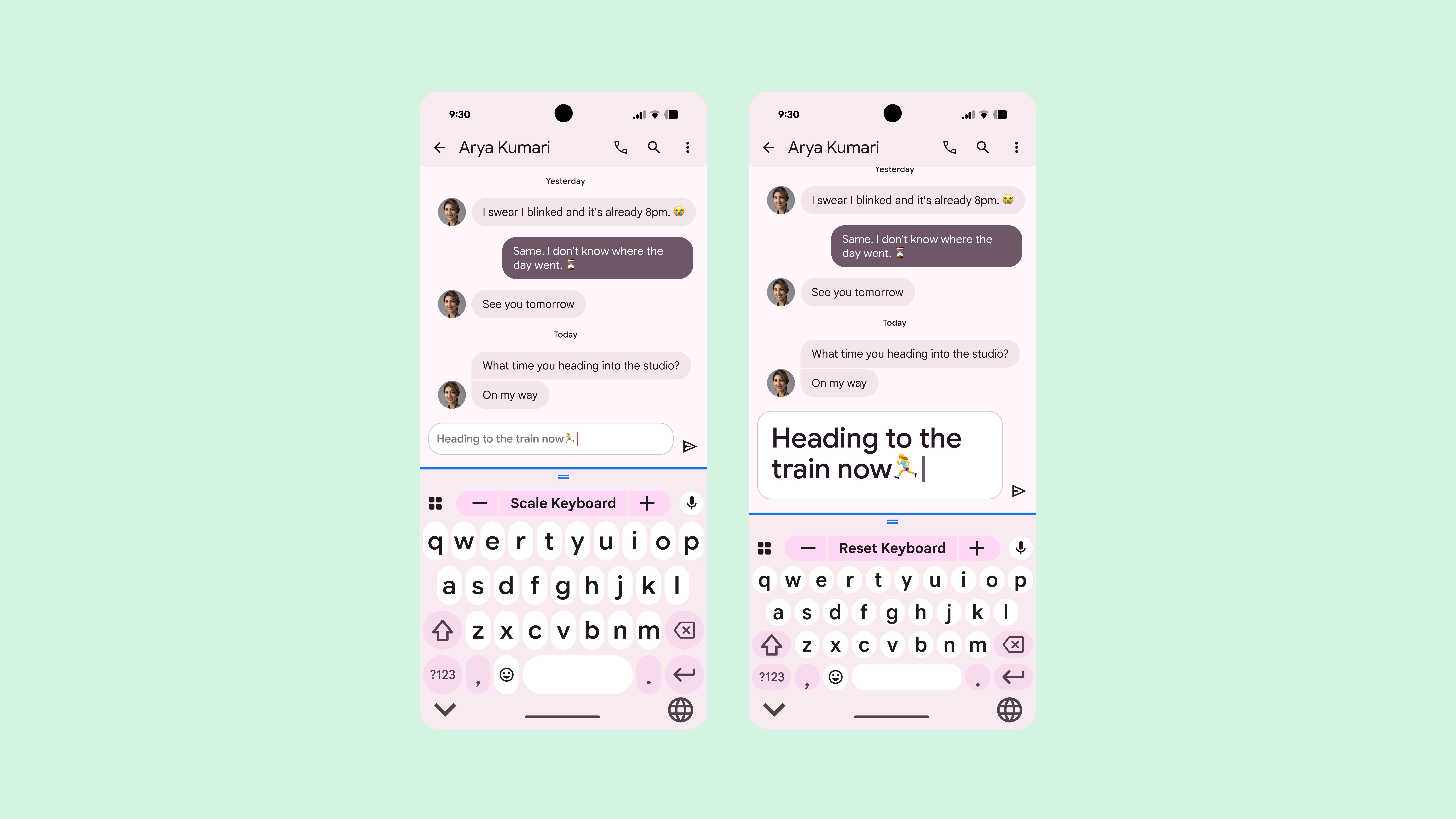
Building on this expressive foundation, progressive keyboard scaling states were developed to enhance legibility for users with low vision. Proportions and typographic weight were carefully adjusted to improve clarity while preserving grid stability and spatial balance.
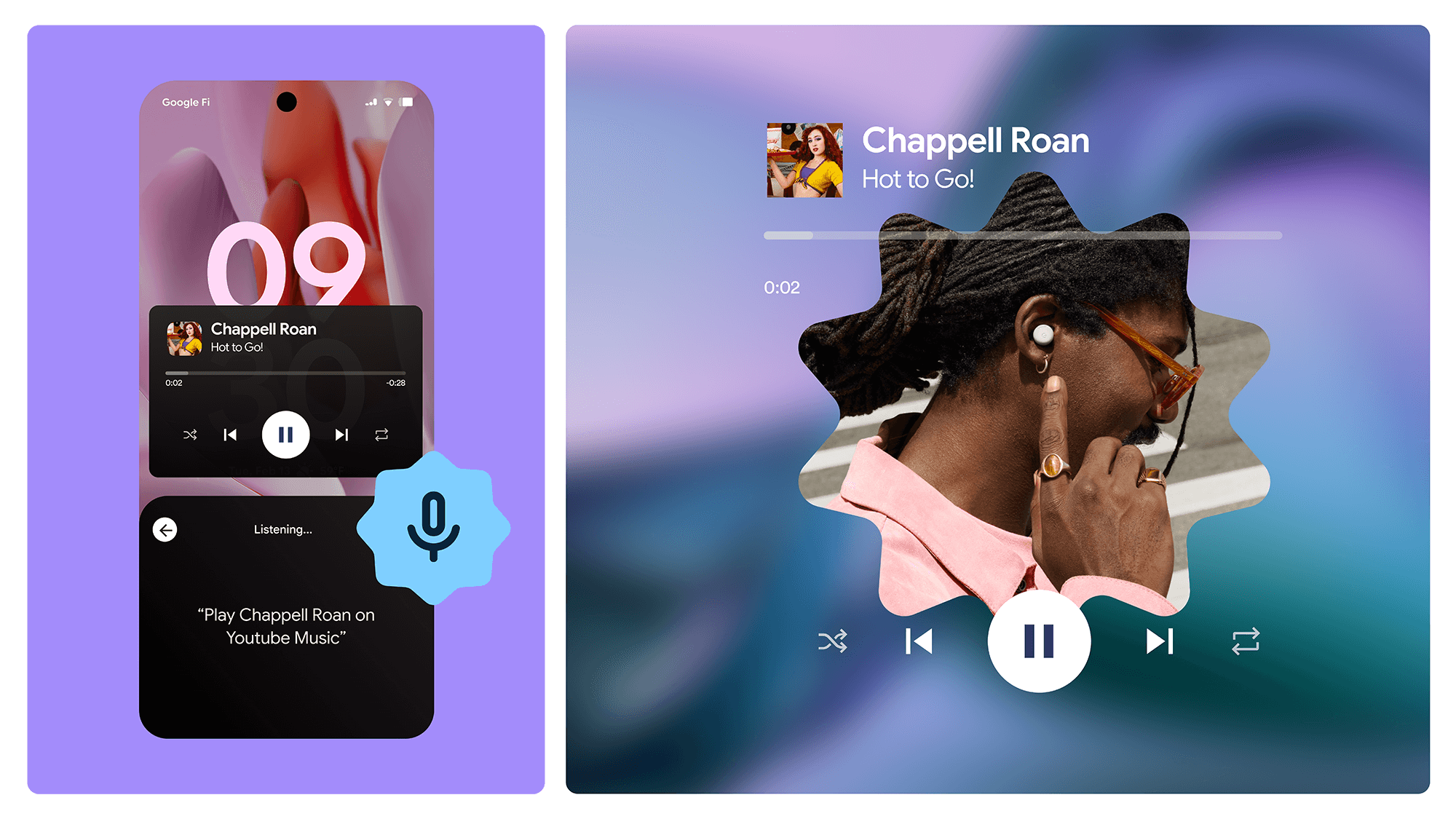
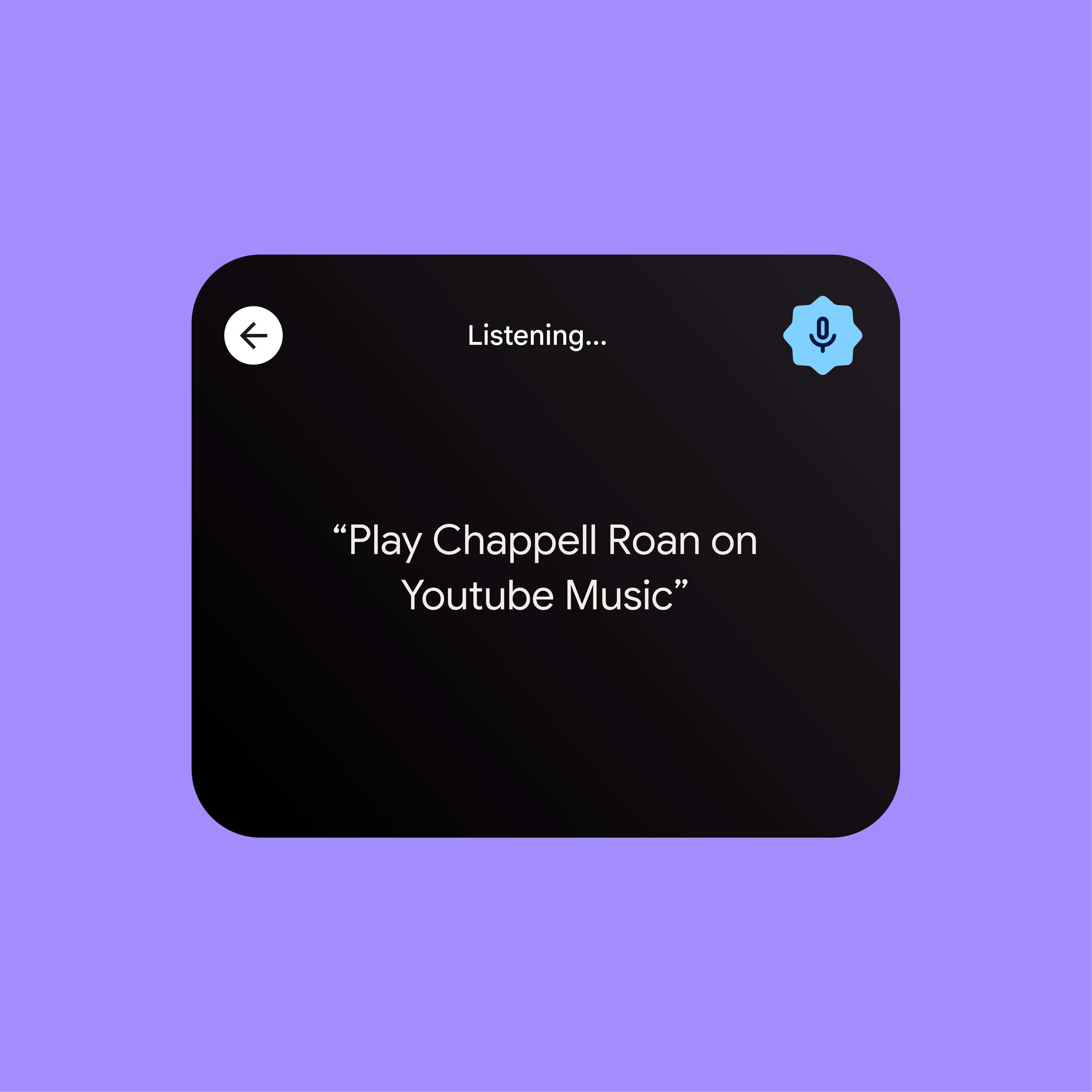
Voice interactions were integrated as an additional system layer. Listening states, visual feedback, and transitions align with GM3 while expanding communication beyond touch.
Outcome
Inclusive Gboard demonstrates how a design system can evolve to recognize cultural identities, adapt to different visual abilities, and enable new modes of interaction. Inclusion becomes a structural layer of the experience—scalable, expressive, and embedded within the product.